The Strategy Behind Our Affordable Dive Travel Lifestyle
The Strategy Behind Our Affordable Dive Travel Lifestyle
(And How You Can Apply It — Even With a 9–5)
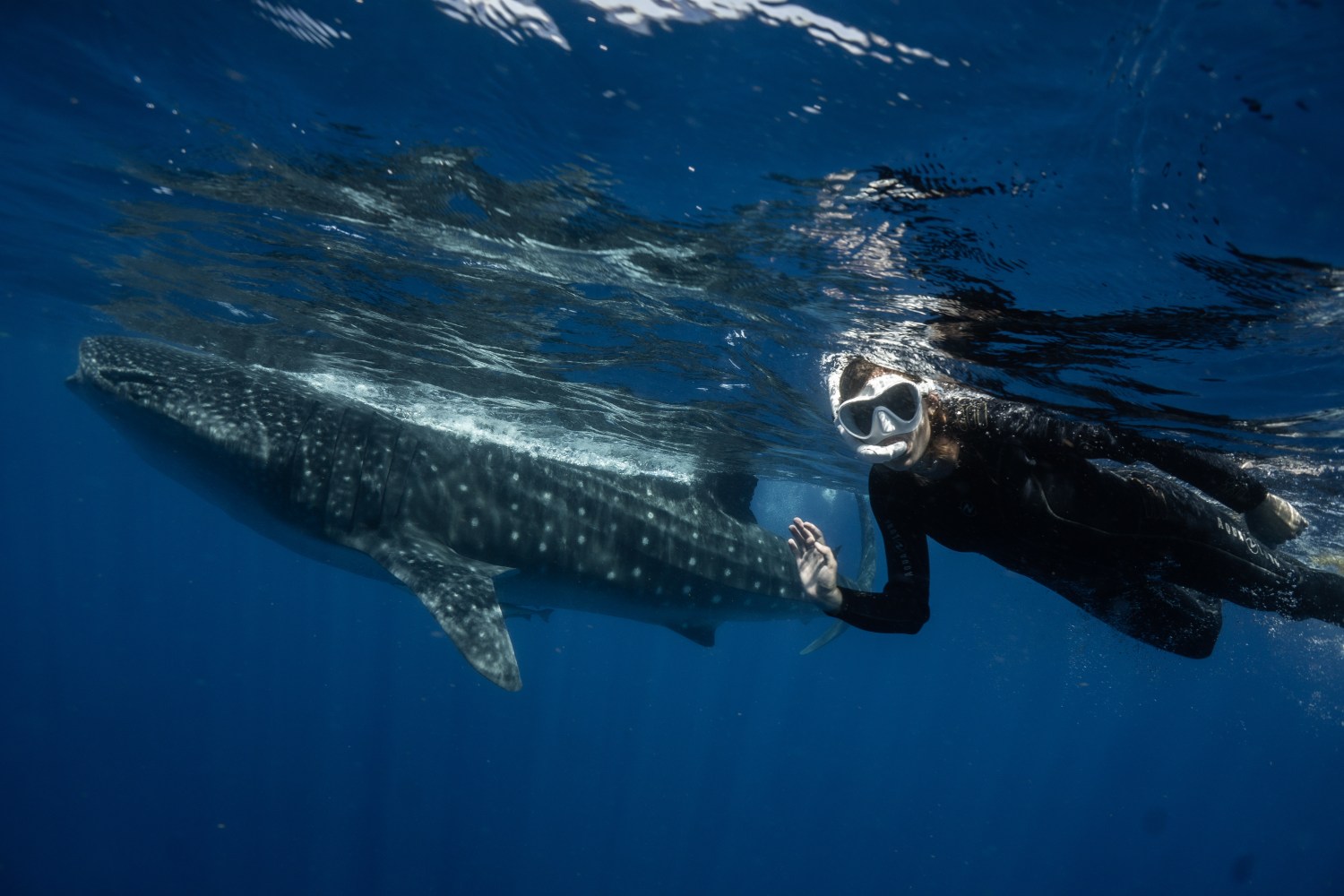
People often assume frequent international travel requires a high salary, passive income, or a remote tech job.
We’re freediving instructors.
Most of our travel is international — and yet we make it work on a modest, seasonal income.
It’s not luck.
It’s not hidden wealth.
It’s intentional design.
Here’s the real strategy behind how we make dive travel sustainable — and how you can apply the same principles, even if you work a traditional 9–5.
1. We Designed Our Life Around Low Overhead
Before thinking about travel, we focused on reducing fixed expenses.
We don’t have:
- A brick-and-mortar storefront
- Large retail rent
- Expensive cars
- Luxury housing upgrades
We rent a small apartment.
We operate lean.
We keep recurring expenses minimal.
Travel isn’t about income alone.
It’s about margin.
Lower fixed costs = more flexibility.
👉 For 9–5ers:
You don’t need to quit your job. Start by auditing:
- Subscriptions
- Car payments
- Housing upgrades you don’t truly need
- Lifestyle creep
Even reducing $300–500 per month can fund an international flight every year.
2. We Spend Intentionally — Not Automatically
We rarely eat out or spend heavily on nightlife.
Not because we’re anti-fun — but because we’d rather redirect that money toward experiences.

When we travel, we:
- Stay in modest accommodations
- Book places with kitchens
- Shop at local markets
- Cook simple meals
Sometimes we source food from land and sea.
It’s not glamorous.
But small daily spending decisions compound into international tickets.
👉 For 9–5ers:
Try this simple shift:
- Replace 2 restaurant meals per week with home cooking.
- Redirect that money into a “Travel Fund.”
That alone can generate $2,000–4,000 per year.
Not through earning more — but through spending differently.
3. We Work in Seasons
Our business is heavily dependent on ocean conditions.
When conditions are good:
- We teach more
- We work longer days
- We stack savings
When conditions slow down, we travel.
Instead of fighting seasonality, we lean into it.
We earn intensely during peak windows — and exp
lore when work naturally slows.
👉 For 9–5ers:
You likely have:
- Paid time off
- Holiday weekends
- Flexible remote days (even if limited)
Instead of scattering PTO randomly, stack it strategically.
Example:
- Take 4 PTO days around a long weekend → 9 days off.
- Travel during shoulder season instead of peak.
Your calendar can become your leverage.
4. We Travel When Others Don’t
This one decision saves thousands.
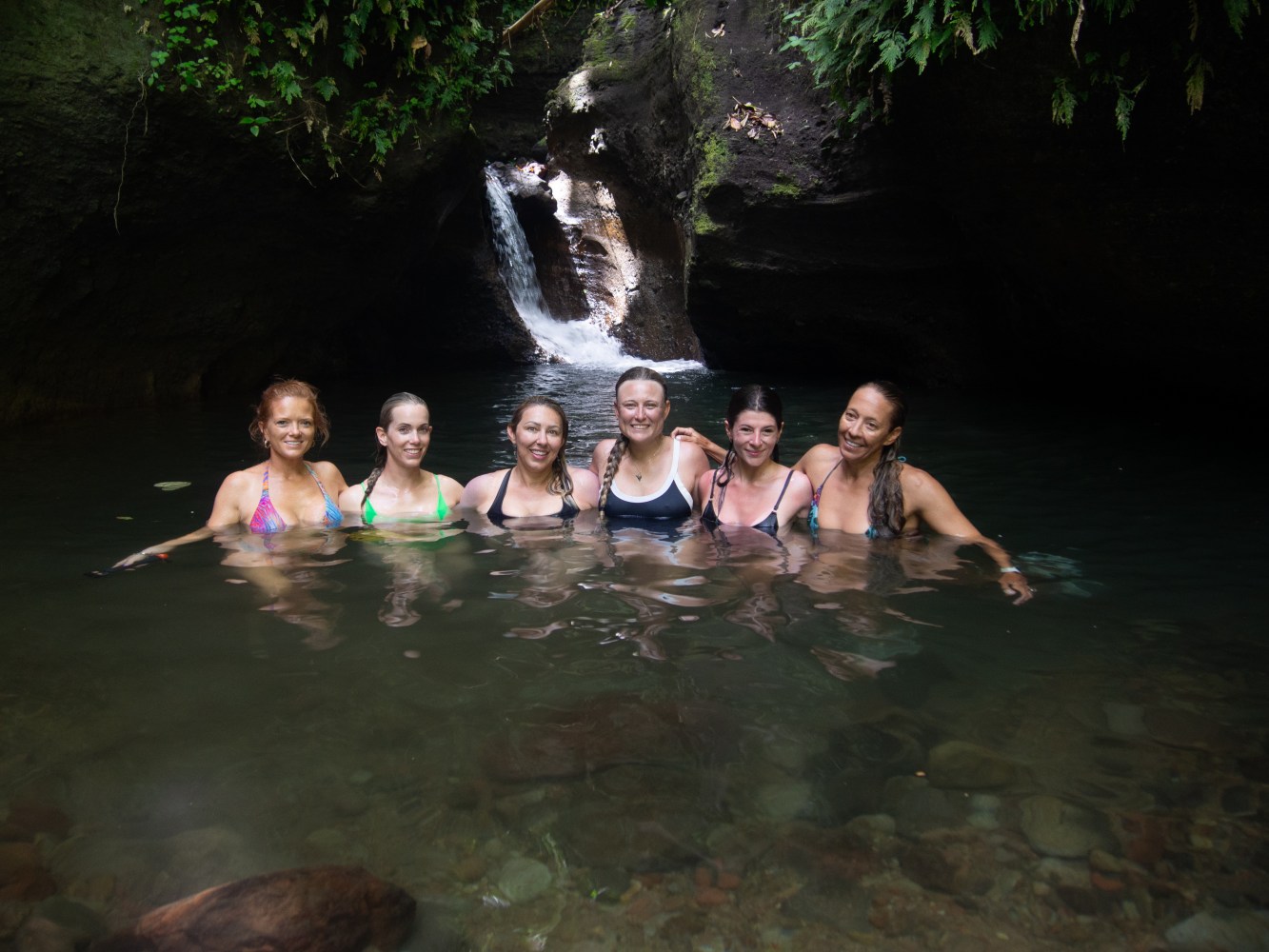
We avoid:
- Summer peak
- Spring break
- Major holidays
Flights drop significantly off-peak.
Accommodations are cheaper.
Destinations are calmer.
Most people travel when it’s convenient.
We travel when it’s affordable.
👉 For 9–5ers:
Instead of Europe in July… try:
- Late September
- Early November
- Late January
- Early March (before spring break)
Same destination.
30–50% lower cost.
5. We Make Money While Traveling
This is the biggest misconception about travel.
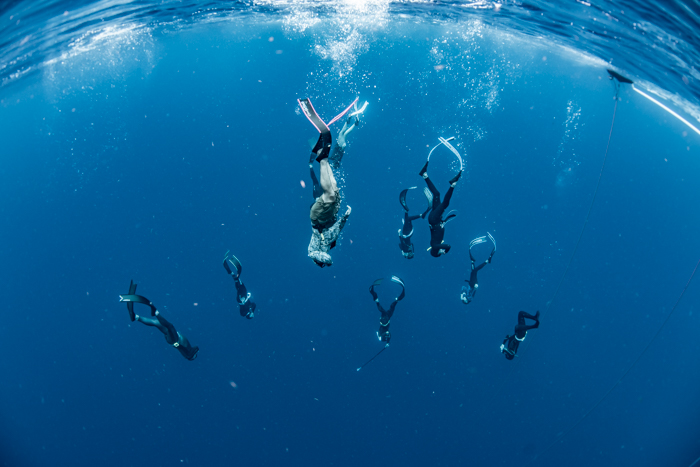
Most people treat travel as pure expense.
We treat it as opportunity.
When we travel internationally, we often:
- Trade freediving instruction for dive access
- Captain or crew boats
- Host workshops
- Partner with local dive shops
- Create content
- Collaborate with businesses
Instead of pausing income, we create value wherever we go.
You don’t need to be a dive instructor to apply this.
👉 For 9–5ers:
Ask yourself:
- Do I have a skill I can freelance remotely?
- Can I consult part-time?
- Can I photograph, design, write, teach, coach?
- Can I house-sit?
- Can I do work exchanges?
Even earning $1,000 during a trip offsets flights entirely.
Travel becomes far more sustainable when you stop viewing it only as consumption.
6. Travel With a Group
One of the most underrated ways to reduce travel costs is simple:
Don’t travel alone.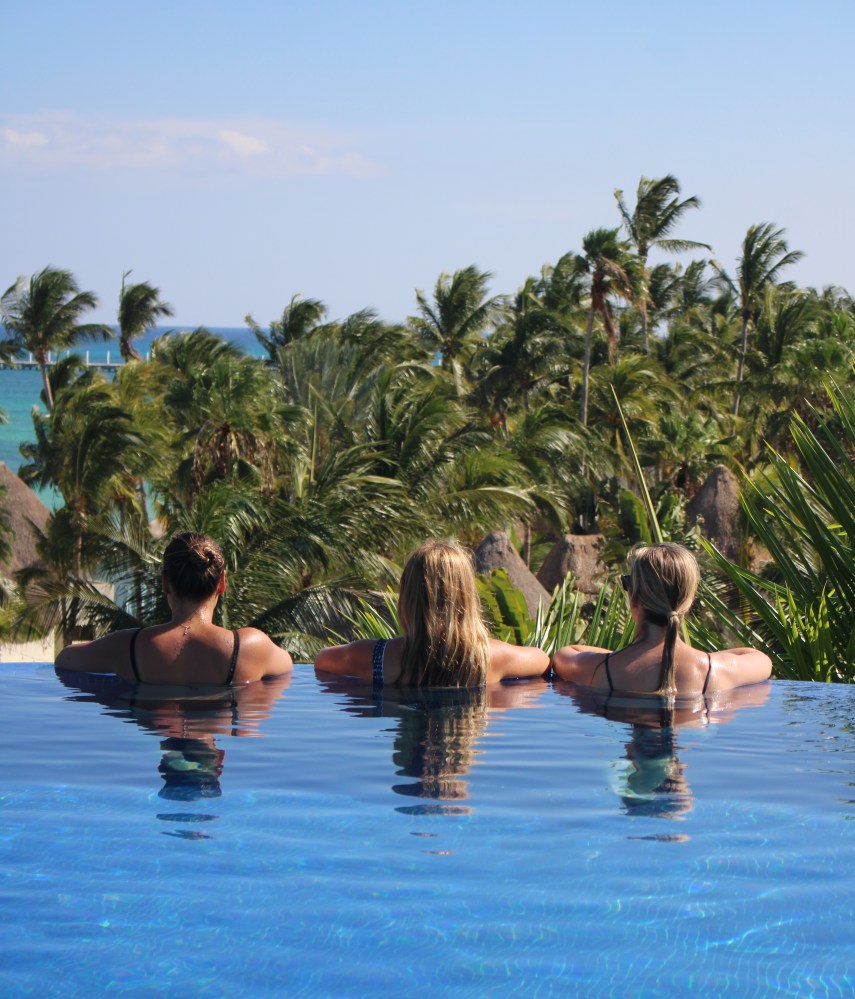
Group travel allows you to:
-
Split accommodations
-
Share transportation
-
Access group rates
-
Reduce logistical mistakes
-
Learn from experienced travelers
It also reduces the hidden cost most people overlook:
Time.
Researching destinations, finding reputable dive operators, securing safe accommodations, and navigating new areas takes hours — sometimes weeks.
When you travel with a well-organized group, much of that groundwork has already been done.
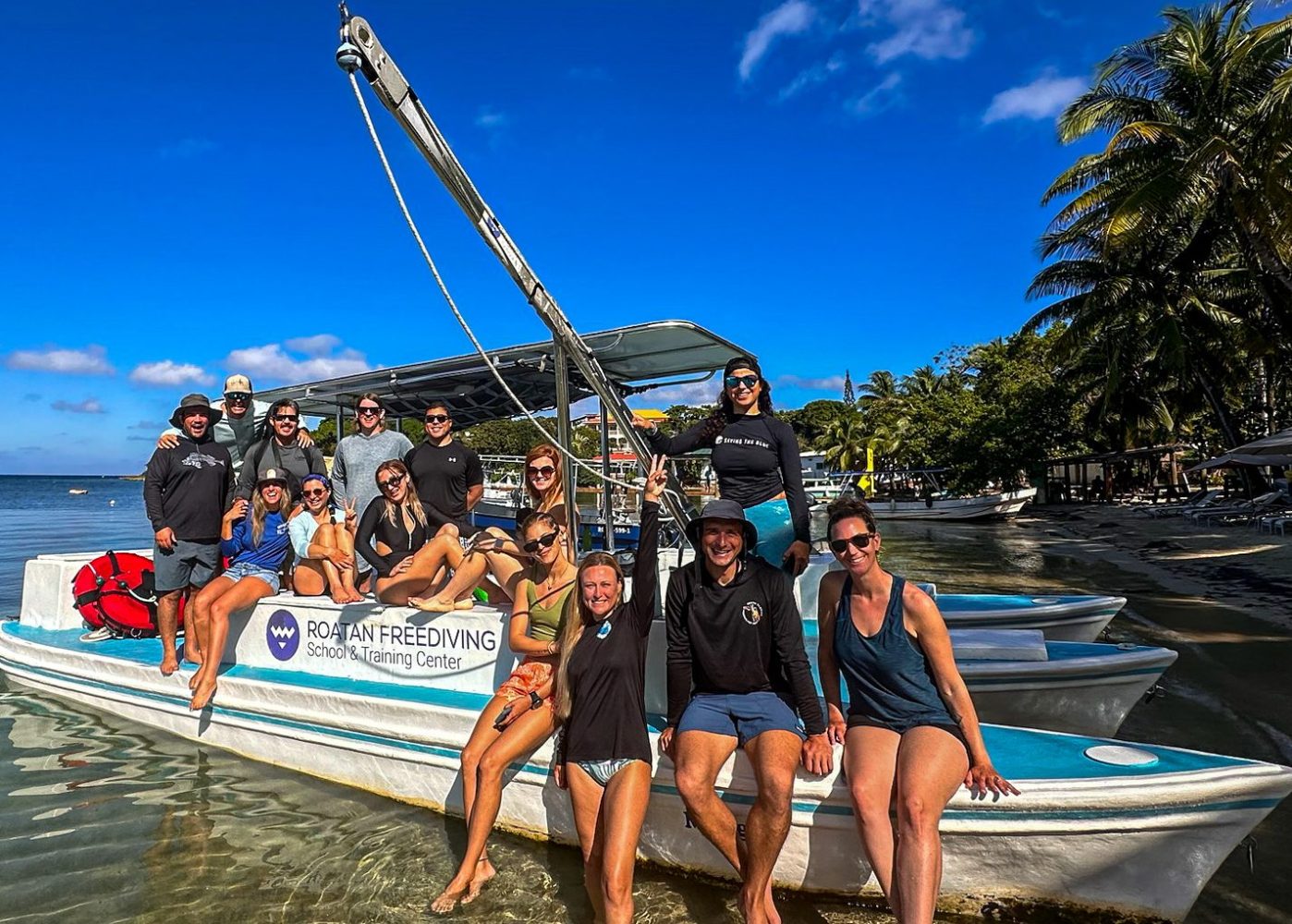
This is one of the reasons we host several international freediving trips through Live Free Diving each year.
We’ve spent years building relationships with local dive shops, boat captains, and accommodation partners in the places we visit. That means our guests benefit from:
-
Trusted operators
-
Fair pricing
-
Local knowledge
-
Streamlined logistics
-
Community from day one
For many people, traveling with a group isn’t just more affordable — it’s more efficient.
You save money.
You save time.
And you instantly connect with other ocean-minded travelers.
Especially in freediving, community makes the experience exponentially better.
6. We Choose Freedom Over Fancy
We don’t prioritize:
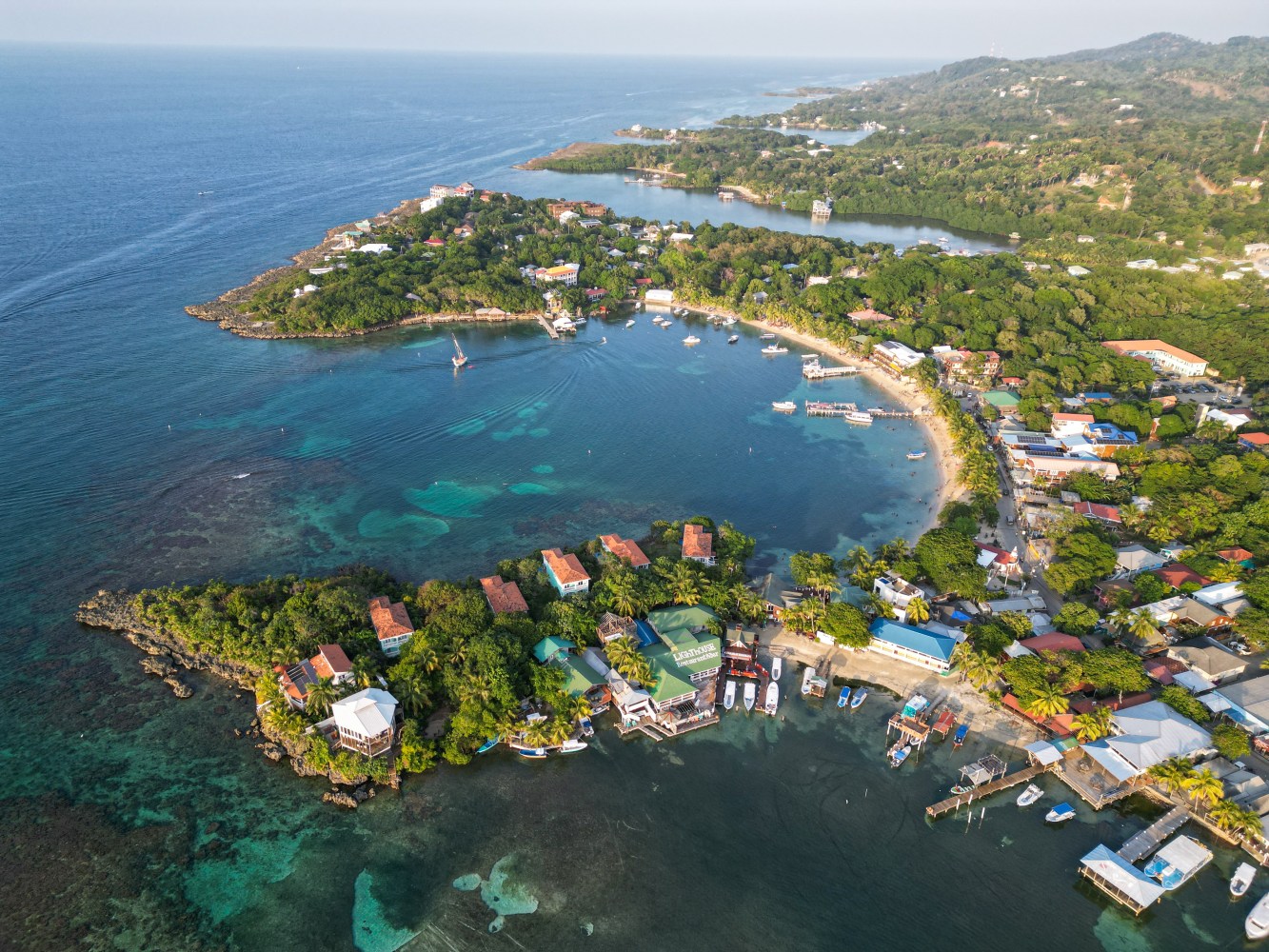
- Luxury apartments
- Expensive upgrades
- Status purchases
We prioritize:
- Mobility
- Experiences
- Time in the ocean
- International exposure
Every dollar has a direction.
Ours flows toward travel.
👉 For 9–5ers:
This doesn’t mean selling everything.
It means asking:
Would I rather upgrade my couch… or spend 10 days in Bali?
Would I rather finance a new car… or fund two international trips?
Clarity creates freedom.
7. The Honest Trade-Off
This lifestyle isn’t effortless.
We work long days in peak season.
We take calculated risks.
We say no to short-term indulgences.
But the reward is international mobility and experience.
Not financial freedom in the billionaire sense.
Lifestyle freedom.
And that’s enough for us.
The Core Principle
Travel isn’t reserved for the wealthy.
It’s available to people who:
- Lower fixed costs
- Spend intentionally
- Travel strategically
- Leverage skills
- Align spending with values
Most people assume they need to make more.
Often, they just need to design better.