A Guide to Shore Diving & Snorkeling in South Florida
South Florida offers some of the best shore diving and snorkeling in the country, from natural limestone reefs and historic pier structures to artificial reefs, jetties, and marine-life-filled lagoons.
Whether you’re snorkeling, freediving, or scuba diving, there are plenty of incredible dive sites accessible right from shore. We’ve put together a list of 10 of our favorite spots (ranked from North to South), stretching from Jupiter to Lauderdale-by-the-Sea, along with directions and a few tips to help you plan your next adventure.
Before You Dive: Safety Tips & Best Practices
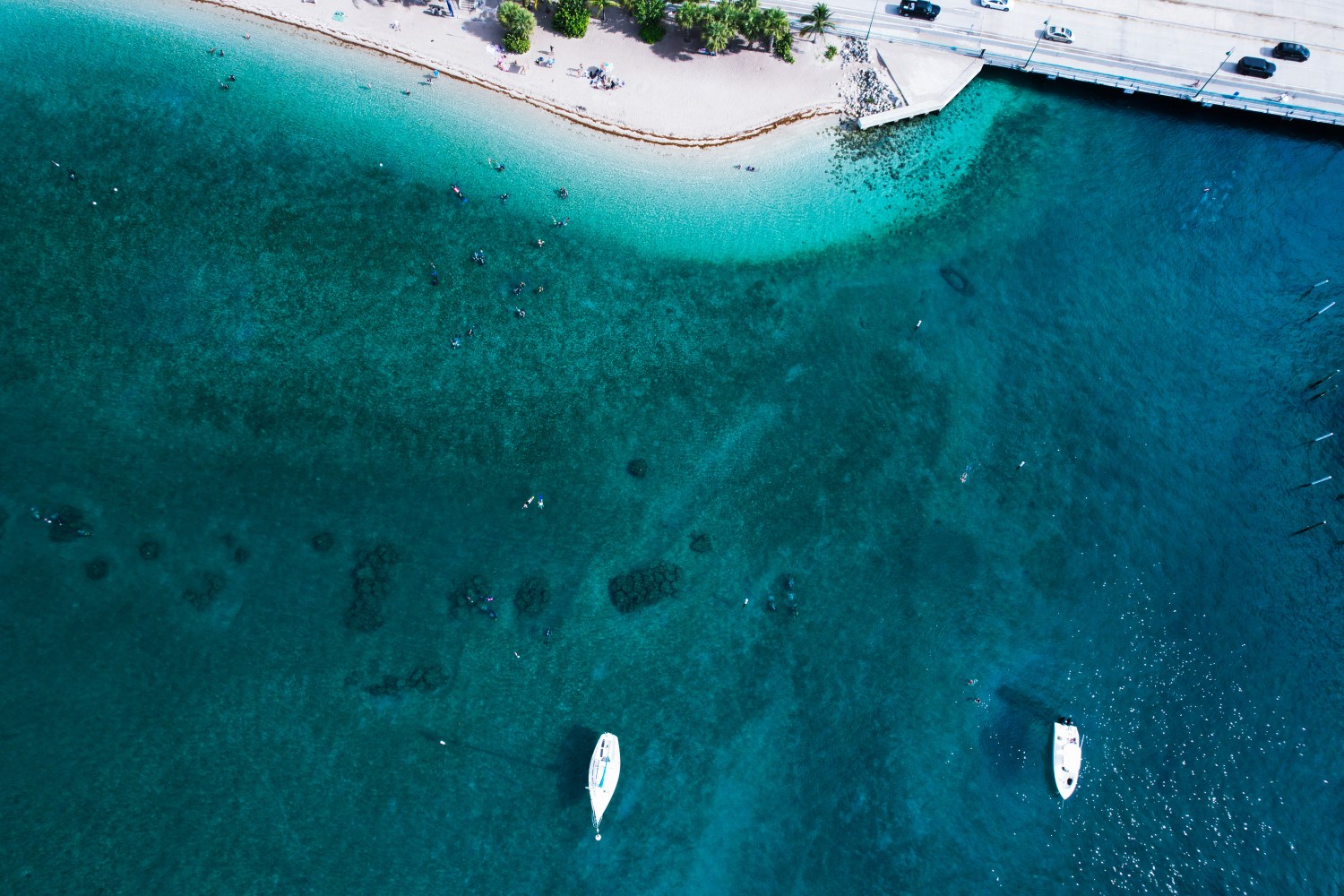
Shore diving is a great way to explore South Florida’s underwater world without needing a boat, but conditions can change quickly. A little preparation goes a long way.
- Always use a dive flag. Florida law requires divers to display a proper divers-down warning device in applicable waters. This is especially important near inlets and areas with heavy boat traffic. Make sure you understand the regulations and required distances.
- Never dive alone. Always dive with a buddy. If you’re freediving, practice one-up, one-down buddy procedures and make sure your buddy knows how to respond to an emergency.
- Check ocean conditions. Review wind, waves, currents, tides, and visibility before heading out. Conditions can change quickly, and even familiar dive sites can become dangerous.
- Understand the tides. Locations inside inlets and lagoons often have the clearest water around high tide, when cleaner ocean water enters. Ocean-facing reefs are generally less tide-dependent, although tides can still influence conditions.
- Use Google Earth. Satellite imagery is an excellent tool for identifying reef structures, planning entry and exit points, and familiarizing yourself with a dive site before getting in the water.
- Know your limits. Choose dive sites that match your experience and swimming ability. If conditions don’t look right, there’s always another day!
1. Coral Cove Park – Jupiter
Located on Jupiter Island, Coral Cove Park is a beautiful shore snorkeling and diving spot featuring natural limestone rock formations just offshore. These rocky ledges attract tropical fish, rays, and occasionally sea turtles.
High tide is generally a good time to snorkel here, although because Coral Cove is on the ocean side, it’s not nearly as tide-dependent as locations inside the Intracoastal Waterway. Calm seas and good visibility are more important than the exact tide.
Enter from the public beach and explore the limestone formations along the shoreline.
Directions: Coral Cove Park, Jupiter
2. Cato’s Bridge – Jupiter
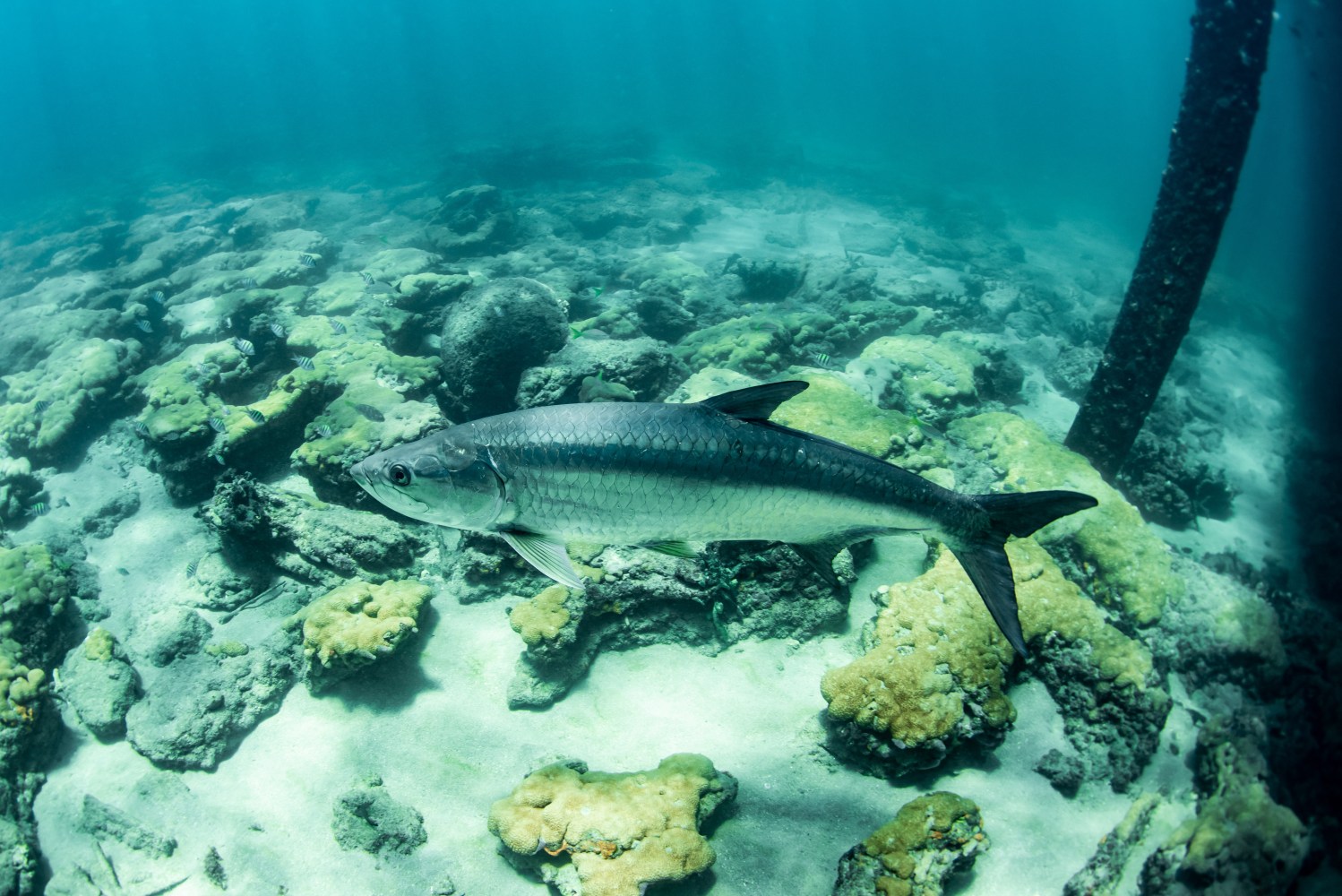
Just south of the Jupiter Inlet, Cato’s Bridge is a local favorite for snorkeling and freediving. The rocky shoreline and bridge structures provide habitat for a variety of marine life, including tropical fish, rays, and occasionally octopuses.
This location is extremely tide-dependent. Plan your visit around slack high tide, when incoming ocean water generally provides the best visibility and currents are reduced.
Water access is available near the bridge and neighboring DuBois Park. Be especially cautious of strong tidal currents and nearby vessel traffic.
Spearfishing: Spearfishing is prohibited within 100 yards of bridge sections where public fishing is permitted. Always check local regulations before attempting to harvest marine life.
Directions: Cato’s Bridge, Jupiter
3. Blue Heron Bridge – Riviera Beach
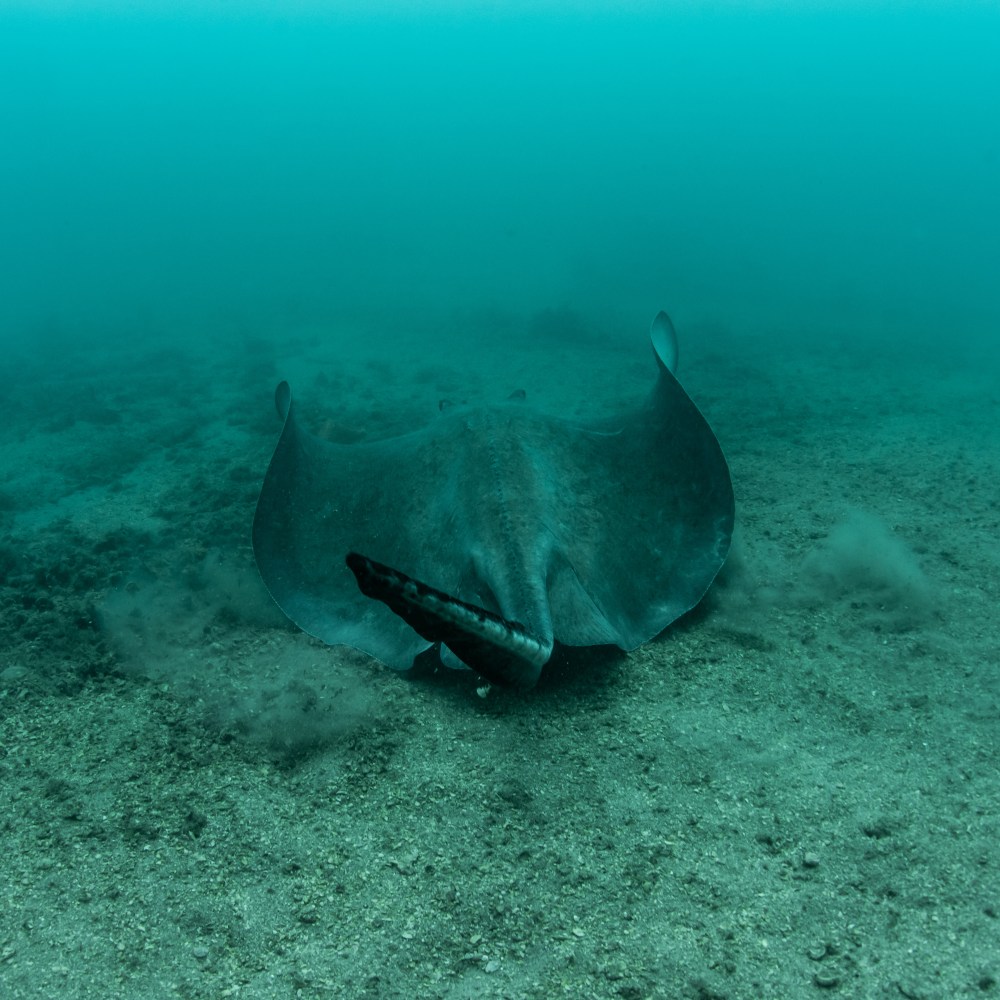
One of South Florida’s most famous shore diving destinations, Blue Heron Bridge is known for its incredible marine biodiversity. Located beneath the Blue Heron Boulevard bridge at Phil Foster Park, this shallow dive site is home to seahorses, octopuses, frogfish, rays, and countless other marine species.
The best time to dive is around slack high tide, when cleaner ocean water enters the lagoon and currents are generally at their weakest.
With shallow depths, sandy areas, artificial structures, and a designated snorkeling trail, Blue Heron Bridge is a fantastic destination for snorkelers, freedivers, and scuba divers alike.
Fishing & Harvesting: Spearfishing is prohibited at Blue Heron Bridge within Phil Foster Park waters. Collecting tropical ornamental fish and marine life is also prohibited. Please respect these regulations and help preserve this incredible underwater ecosystem for everyone to enjoy.
Directions: Phil Foster Park, Riviera Beach
Read more: Our Guide to Blue Heron Bridge

4. Peanut Island – Riviera Beach
Located in the Lake Worth Lagoon near the Palm Beach Inlet, Peanut Island is one of the most popular snorkeling destinations in Palm Beach County.
The island features a protected snorkeling lagoon, rocky shorelines, and plenty of marine life, including parrotfish, angelfish, barracuda, and occasionally sea turtles.
Like Blue Heron Bridge, Peanut Island generally offers the best snorkeling around high tide, when clear ocean water flows into the lagoon.
The island is accessible by water taxi, private boat, kayak, or paddleboard. Beyond snorkeling, visitors can enjoy beaches, picnic areas, and walking trails.
Directions: Peanut Island, Riviera Beach
Read more: Peanut Island – Snorkeling and Other Things to Do
Fishing & Harvesting: Spearfishing and fishing are prohibited within the designated swimming and snorkeling lagoon. Fishing is permitted in designated areas elsewhere on the island. Please respect the protected marine habitats and leave wildlife undisturbed.

5. Singer Island Mitigation Reef – Riviera Beach
Located along the oceanfront of Singer Island, north of the Palm Beach Inlet, the Singer Island Mitigation Reef is an artificial reef system designed to provide habitat for marine life.
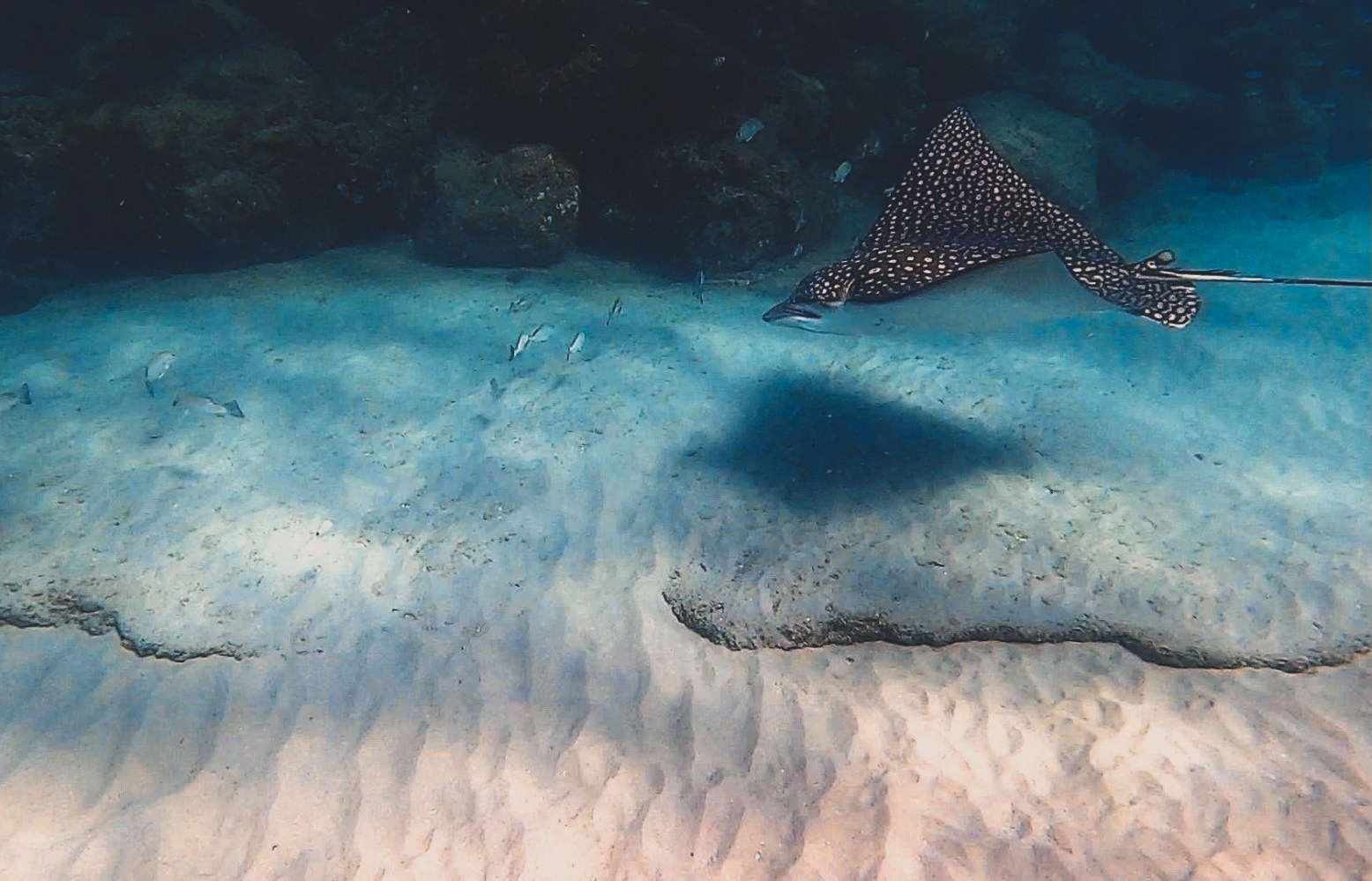
Large limestone boulders and reef structures attract schools of tropical fish, rays, and occasionally sea turtles and nurse sharks.
Unlike the nearby lagoon sites, this ocean-facing reef is more dependent on calm seas and favorable ocean conditions than the tides.
Use Google Earth to familiarize yourself with the reef layout before visiting, and always bring a dive flag.
Directions: Singer Island, Riviera Beach
2020-10-13T13:50:06
6. Palm Beach Clocktower – Worth Avenue Pier Debris
Just offshore from the iconic Worth Avenue Clocktower in Palm Beach, divers can explore the remnants of the historic Worth Avenue Pier.
The scattered pier debris has become an artificial reef, providing shelter for tropical fish, crabs, and other marine life.
The structures are located offshore from the public beach and are best explored on calm days with good underwater visibility. Use satellite imagery to help locate the debris field before entering the water.
Directions: Worth Avenue Clocktower, Palm Beach
7. Ocean Inlet Park – Boynton Beach
Located just outside the Boynton Beach Inlet, Ocean Inlet Park offers snorkeling and shallow diving around rock piles, jetty structures, and other underwater habitats.
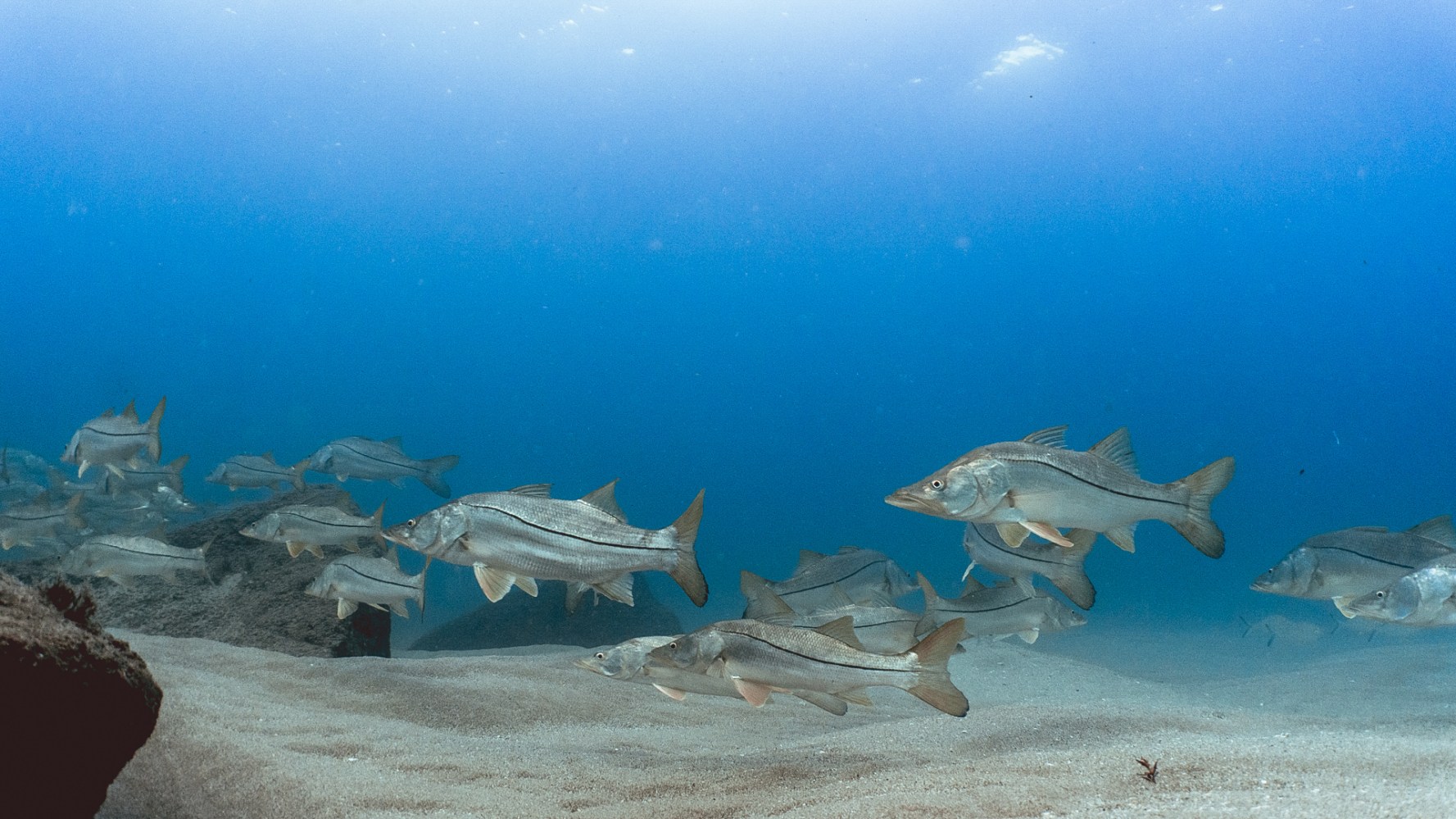
These structures attract a variety of marine life, including snapper, barracuda, and pufferfish.
This is also an extremely busy area for boats and jet skis entering and exiting the inlet. A highly visible dive flag is essential, and divers should remain well clear of the marked navigation channel and vessel traffic.
Conditions are often best around high tide, when clearer ocean water reaches the area, but currents and waves near the inlet can be strong.
Spearfishing: Spearfishing is prohibited inside the inlet and within restricted distances of the jetty and public swimming areas. Be especially mindful of heavy boat traffic and stay clear of the navigation channel.
Directions: Ocean Inlet Park, Boynton Beach
8. Boca Inlet – Boca Raton
Located at South Inlet Park in Boca Raton, this shore diving site features a natural reef approximately 175 feet offshore.
The reef and surrounding rock formations provide habitat for tropical fish, crabs, and other marine life, making it an interesting spot for snorkeling and shallow freediving.
Access is available from the public beach. Be mindful of currents, waves, and boat traffic near the Boca Raton Inlet, and avoid swimming into the navigation channel.
Directions: South Inlet Park, Boca Raton
Spearfishing: Spearfishing is prohibited inside Boca Raton Inlet and within restricted distances of the jetty and public swimming beach. Check applicable regulations before harvesting marine life.
9. Turtle Reef – Deerfield Beach
Turtle Reef, located off Deerfield Beach, is a shallow reef system accessible from shore.
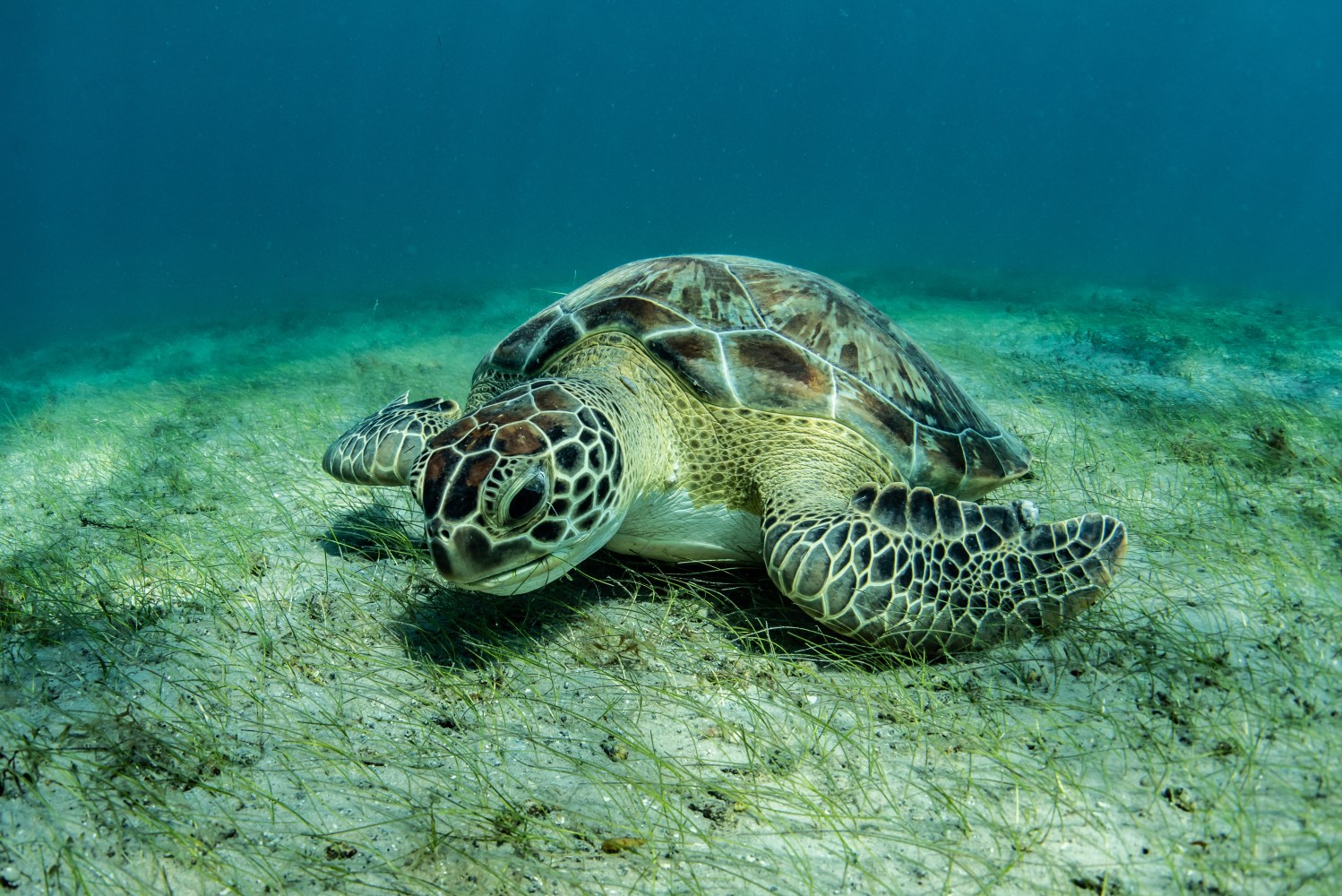
The reef features limestone formations, soft corals, and a variety of tropical fish. As the name suggests, sea turtles are also occasionally spotted cruising through the area.
This is a great option for snorkeling and freediving when ocean conditions are calm. Good visibility and minimal surf are more important than timing your visit precisely around high tide.
Directions: Turtle Reef, Deerfield Beach
Read more: Turtle Beach – Live Free Diving
10. Lauderdale-by-the-Sea – Broward County
Lauderdale-by-the-Sea is one of South Florida’s best-known shore diving destinations, offering extensive reef systems accessible directly from the beach.
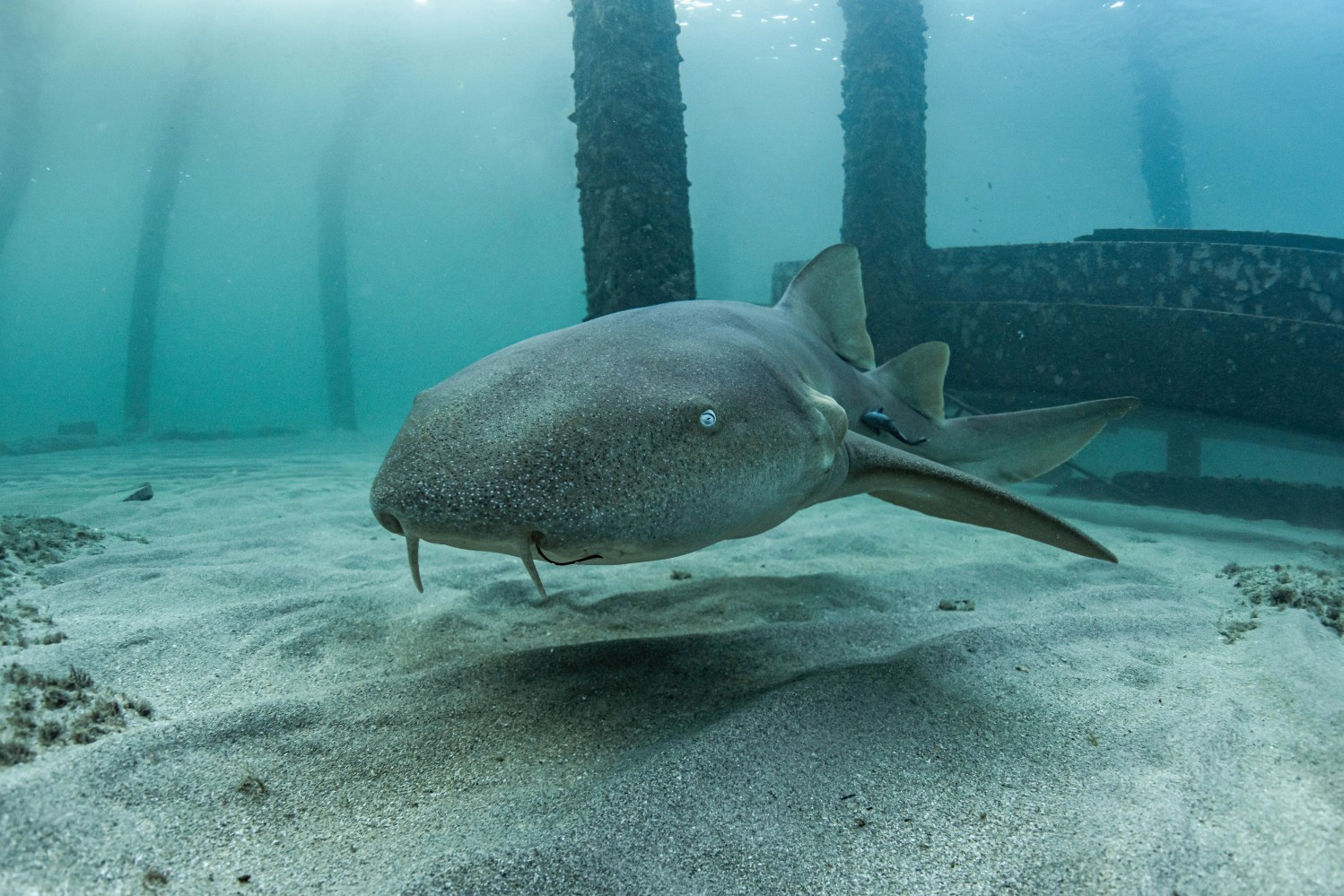
Natural coral reefs and limestone ledges begin a relatively short swim offshore, providing opportunities to encounter tropical fish, rays, nurse sharks, and occasionally sea turtles.
The town is particularly welcoming to divers, with convenient beach access and nearby restaurants and dive shops.
Datura Avenue is a popular access point for exploring the offshore reef systems. Choose a calm day, bring a dive flag, and be prepared for a longer surface swim to reach some of the reef structures.
Directions: Lauderdale-by-the-Sea
Read more: Lauderdale-by-the-Sea – Live Free Diving
Protecting South Florida’s Reefs
South Florida’s reefs and marine ecosystems are incredibly special, and it’s up to all of us to help protect them.
Avoid touching or standing on coral, never harass marine life, and pick up any trash you come across when it’s safe to do so.
Whether you’re exploring a reef for the first time or you’ve been diving these waters for years, remember that a good dive isn’t always about what you see. Sometimes it’s simply about getting outside, slowing down, and enjoying a little time in the ocean.
Want to improve your freediving skills or explore South Florida with an experienced local guide? Visit Live Free Diving to learn more about our courses, training opportunities, and guided adventures.