
Freediving Blue Spring State Park: A Complete Guide
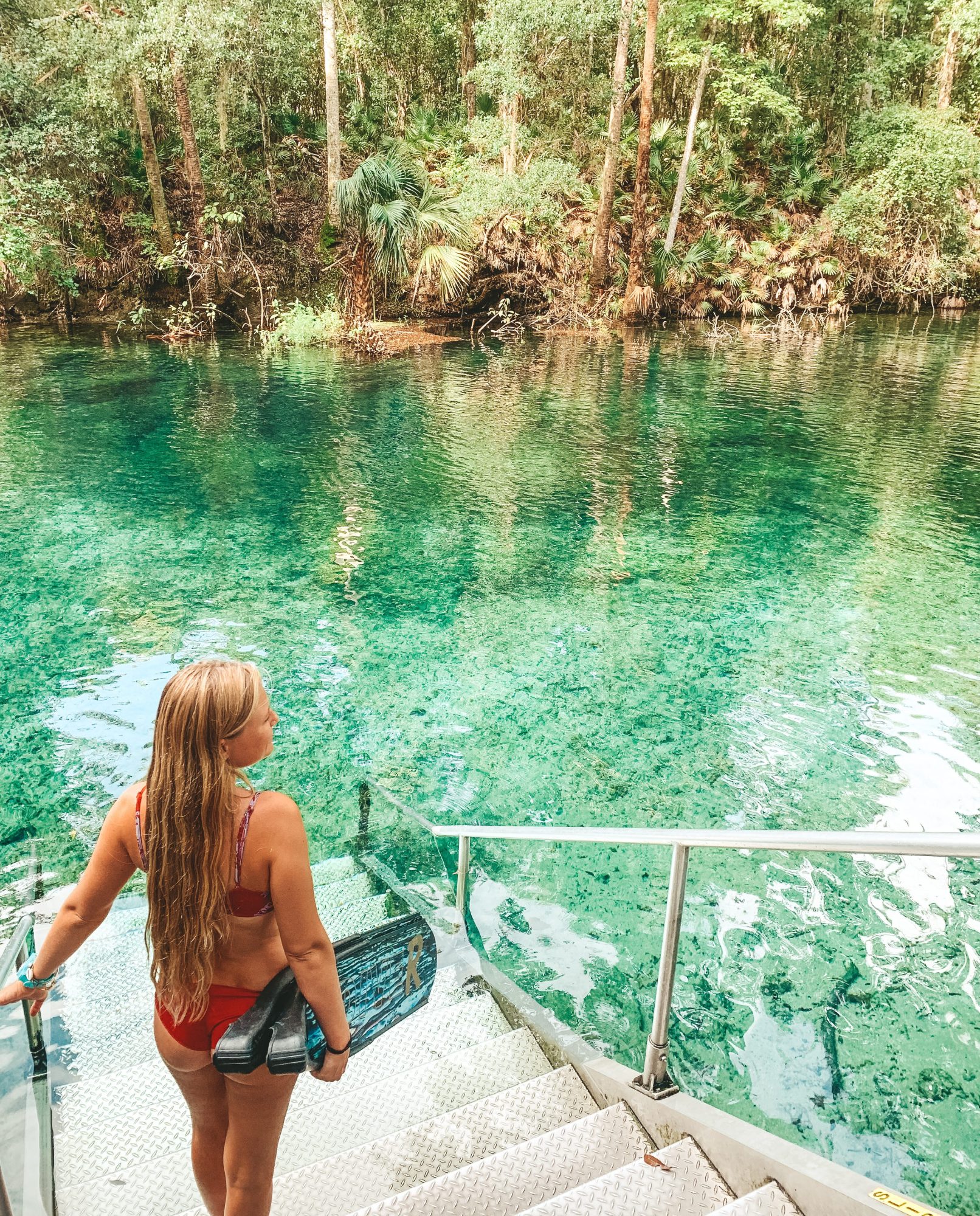
Blue Spring State Park is one of Florida’s most iconic freshwater springs—and an incredible place for freedivers looking to experience crystal-clear water, dramatic limestone formations, and a powerful natural spring vent unlike anything in the ocean. Located in Orange City, Florida (about 45 minutes north of Orlando), this park is famous for its manatees, wildlife, and vibrant spring run that stays a refreshing 72°F (22°C) year-round.
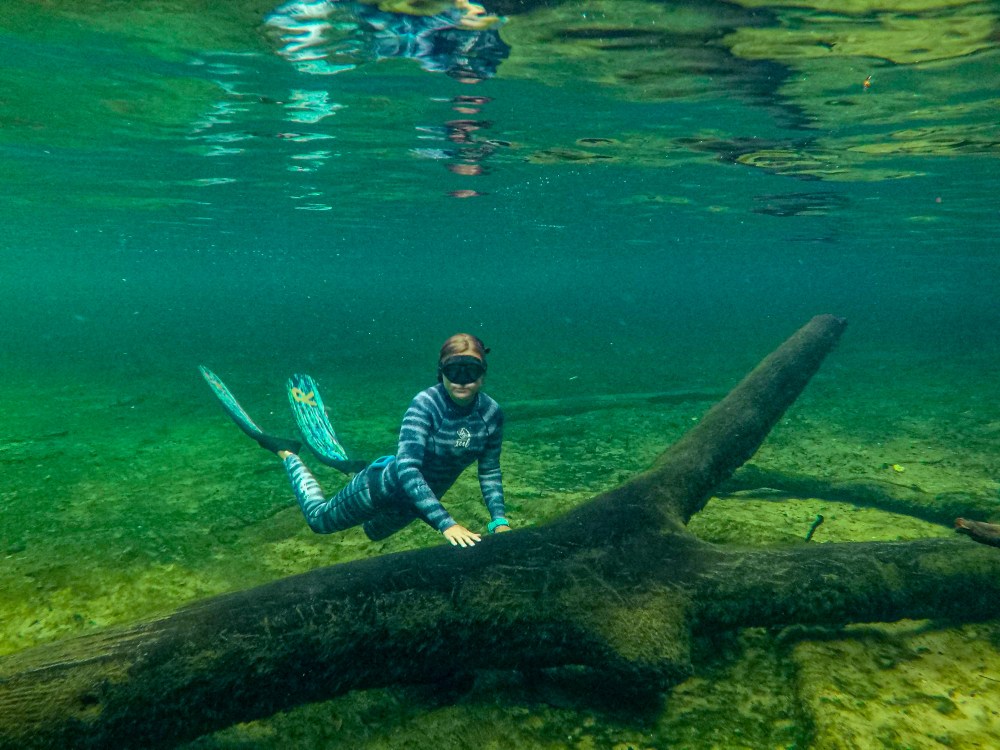
If you’re thinking about adding this site to your Florida freediving bucket list, here’s everything you need to know before you go.
Location & Entry Details
- Address: 2100 W French Ave, Orange City, FL
- Entry Fee: Typically $6 per vehicle (subject to Florida State Parks rate changes)
- Hours: Usually 8 a.m. to sunset, 365 days a year
- Closed Season:
- No water access during manatee season
- Generally mid-November through March, depending on conditions
- The spring serves as a critical warm-water refuge—so human entry is restricted to protect the manatees
Always check the latest updates on the official Florida State Parks website before planning your trip.
Arrive Early—Seriously
Blue Spring gets busy.
Like… extremely busy.
On weekends—especially in spring and summer months—parking often fills before the park even opens. Rangers frequently stop cars at the entrance and only allow new visitors in as others leave.
If you plan to visit on a weekend:
- Arrive before opening time (ideally 7–7:30 a.m.)
- Expect a line at the gate
- Expect a wait, even if you arrive early
- Weekdays are significantly calmer and much more enjoyable
This is one of Florida’s most beloved springs, so planning ahead is key.
The Spring: Depth, Features & Conditions
A Stunning 70-Foot Spring Head
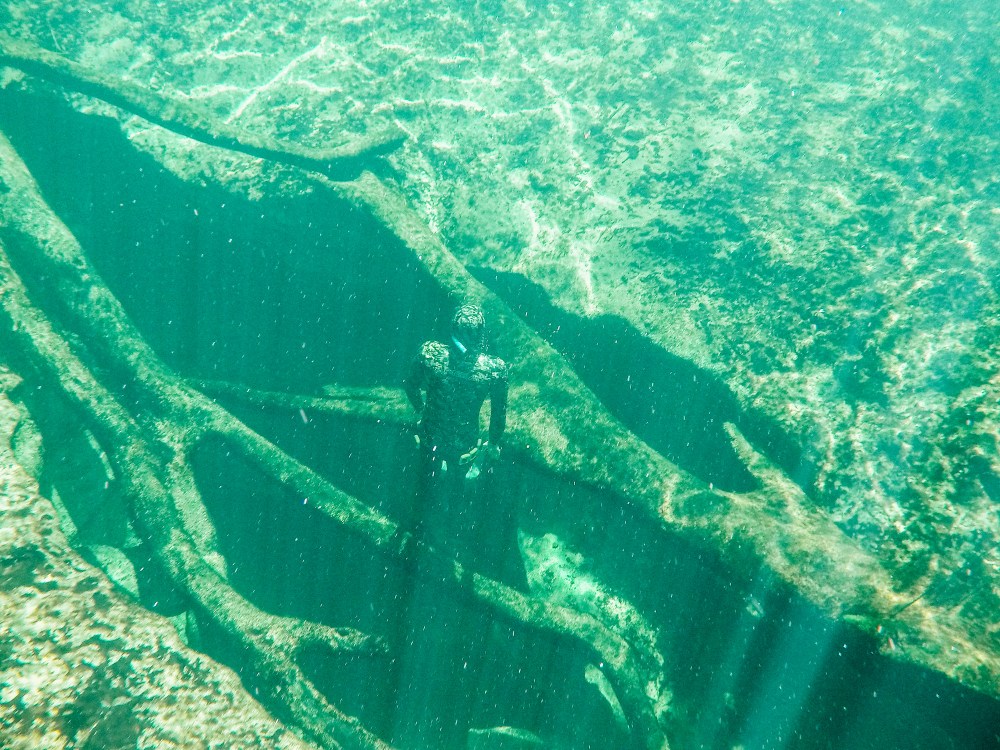
The main spring head drops to about 70 feet, forming a deep, clear blue bowl that feels like a portal to another world. The water clarity often reveals:
- dramatic limestone rock formations
- scalloped grooves and smooth walls shaped by thousands of years of water flow
- layers of white, tan, and gray reflecting sunlight in incredible ways
It’s a freediving experience completely different from the ocean—quiet, alien, and beautifully serene.
Fallen Branches & Natural Hazards
Over the years, the spring has accumulated large fallen branches and tree trunks around the opening. These create a very cool aesthetic, but:
- watch your descent path
- be aware of entanglement hazards
- maintain proper buoyancy and body control
Strong Upward Flow
Blue Spring is an active spring, meaning water is constantly rushing upward from the vent. The flow is strong—strong enough that:
- descending requires extra effort
- equalization must be controlled and deliberate
- conservative dives are best for most visitors

Treat the spring vent with respect. Never push deeper than your training allows.
Wildlife: Manatees, Fish & Invasives
Manatees
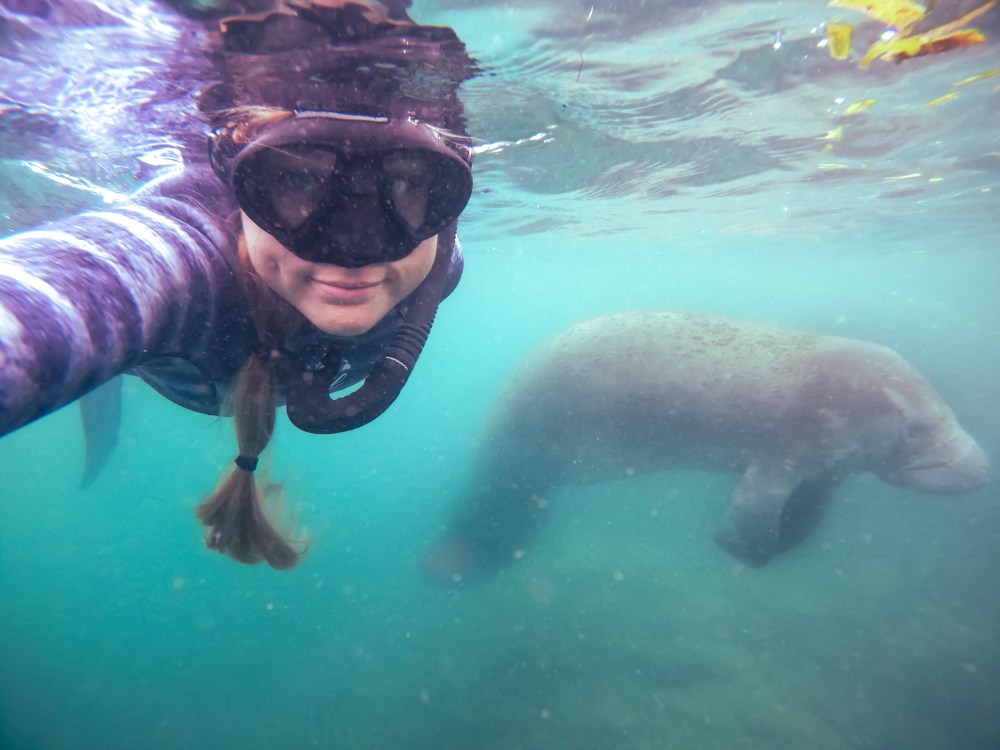
From late fall through early spring, hundreds of manatees gather in Blue Spring’s warm waters. Because they depend on the spring for survival during cold weather, no one is allowed to enter the water during manatee season.
Outside manatee season, it’s common to see:
- bluegill
- largemouth bass
- sunfish
- mullet
- gar
Invasive Species
Unfortunately, Blue Spring—like many Florida springs—has issues with invasive fish such as:
- Plecostomus (plecos) – algae-eating armored catfish that burrow into spring banks, causing erosion
- Tilapia – aggressive nest-builders that disrupt native fish habitats
- Pacú or piranha-type species reported occasionally from released aquarium pets
- Various cichlids
While some of these fish can be interesting to spot, their presence is harmful to the spring’s delicate ecosystem.
Spring Run: A Beautiful Drift
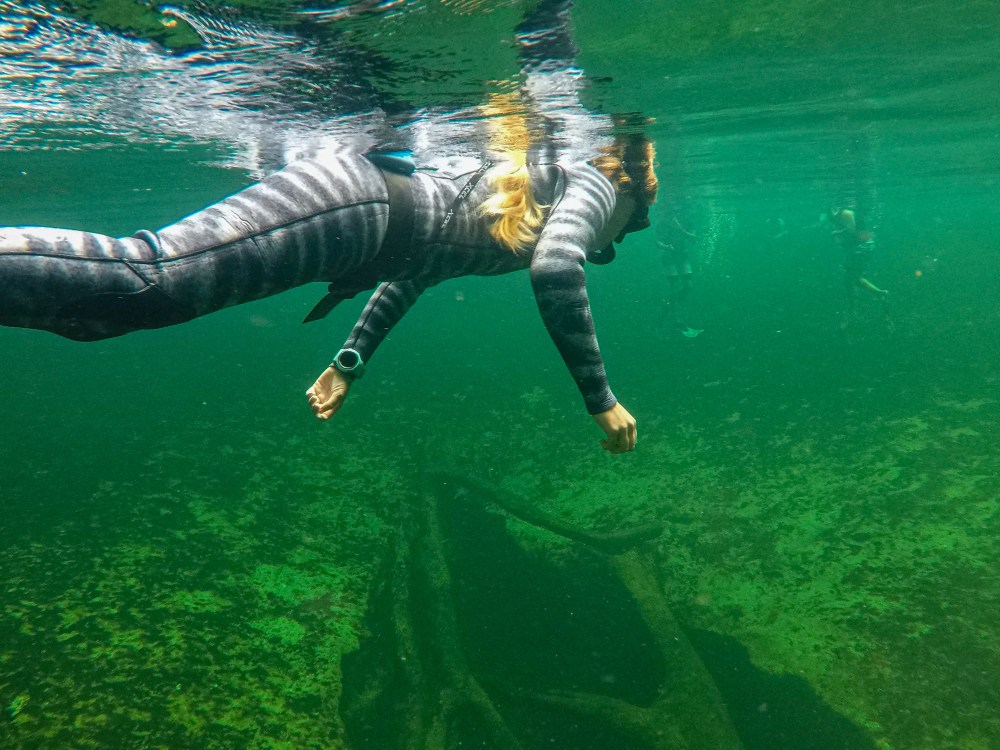
After exploring the spring head, many visitors love floating or snorkeling down the spring run. It’s shallow, calm, and full of life. You’ll often see:
- schools of native fish
- turtles
- eelgrass waving in the flow
- the occasional manatee outside winter months
- incredibly clear views thanks to the constant 72° water
It’s a peaceful, scenic stretch perfect for photography, relaxed surface swims, and nature watching.
Safety & Conservation
Blue Spring is a sensitive ecosystem. As freedivers, we have a responsibility to protect these habitats.
Important reminders:
- Never dive alone.
- Stay within your training limits.
- Avoid touching limestone formations—it’s fragile.
- Stay clear of fallen branches and narrow spaces.
- Respect closures during manatee season.
- Don’t chase or harass wildlife.
- Pack out everything you bring in.
Freedivers often spend more time in natural springs than almost anyone—so modeling respectful behavior is essential.
Final Thoughts
Blue Spring State Park is one of Florida’s true freshwater treasures. With its deep spring head, ethereal rock formations, refreshing year-round temperatures, and lively spring run, it offers a freediving experience unlike anything else in the state.
If you arrive early, plan ahead, respect the spring’s conditions, and stay mindful of the wildlife that calls it home, you’ll be rewarded with one of the most memorable freedives Florida has to offer.